
In Manhattan, the distance between farm and table is measured in minutes, while the logistical chain supporting that final mile stretches across complex regional networks. Moving perishable inventory from rural fields into urban institutional kitchens requires infrastructure capable of translating fragmented agricultural yields into standardized commercial purchase orders. Dedicated aggregation facilities maintain strict origin traceability while meeting the volume demands of metropolitan grocery delivery.
What's Inside
- Overcoming the Hunts Point Legacy: Rewiring Regional Supply
- Consolidating Rural Yields for Metropolitan Purchase Orders
- Preserving Farm-Level Identity Across Temperature Zones
- Verifying Chain of Custody at the Retail Display
- Mandating Source-Farm Disclosure in Procurement
Overcoming the Hunts Point Legacy: Rewiring Regional Supply
New York City's principal produce trade shifted to the Hunts Point terminal market in 1967, reinforcing a wholesale system built around truckload-scale transactions. That architectural and operational shift established a baseline where efficiency meant processing 53-foot trailers of single commodities. This model effectively locked mid-sized regional farms out of urban institutional contracts. A city buyer expects consolidated quantities, scheduled dock delivery, temperature records, and replacement volume when a crop falls short. Individual regional farms operating independently struggle to meet these rigid procurement standards.
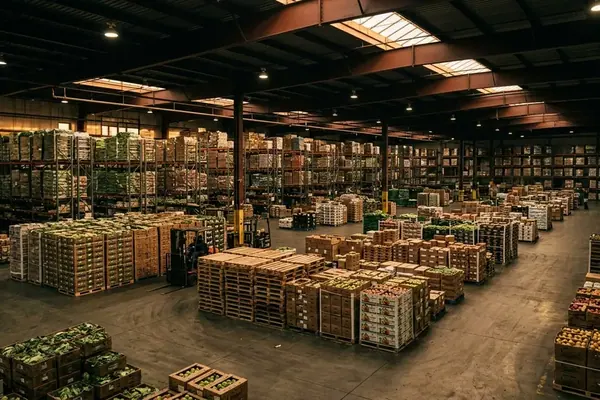
The GrowNYC regional food hub began operating in 2024 from a roughly 60,000-square-foot South Bronx facility configured specifically for aggregation, temperature-controlled storage, packing, and distribution. This facility succeeds because it actively resolves three specific supply chain bottlenecks: aggregation scale, cold-chain traceability, and seasonal volume management. By pooling inventory and utilizing lot-controlled cold storage, the hub bridges the operational gap between rural agricultural output and urban commercial expectations.
Facility capacity remains inherently tied to regional growing seasons. Cold rooms and pooled purchasing extend storage and smooth weekly shortages. They cannot turn Northeast field crops into a complete year-round regional assortment. The Northeast harvest-calendar ceiling on hub-managed city assortments sets realistic parameters for institutional buyers planning their annual procurement cycles. Acknowledging this ceiling allows logistics managers to build resilient supply chains that flex with agricultural realities rather than forcing artificial year-round availability.
Consolidating Rural Yields for Metropolitan Purchase Orders
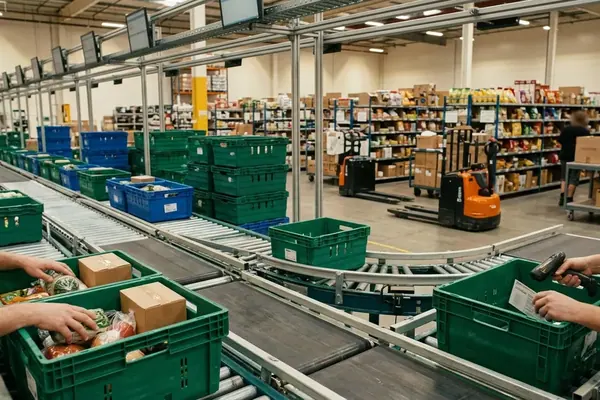
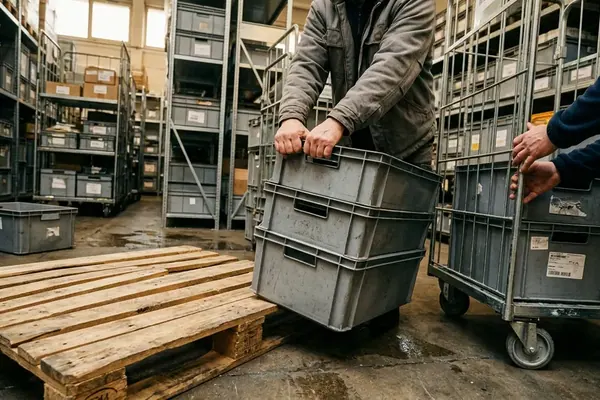
Aggregation starts before a truck reaches the city limits. Facility operators match farm availability lists against buyer orders by crop, grade, pack size, and promised delivery date. Receiving staff count cases, inspect condition, assign each farm lot to a pallet position, and place the product in the appropriate temperature zone. Warehouse teams then pick orders across those separate lots and rebuild them as buyer-ready pallets.
This consolidation process allows a 72-case buyer order to be assembled from three documented lots of 18, 24, and 30 cases while preserving each farm's identity on pallet and invoice records. The physical movement of these goods requires precise timing to avoid dock congestion. A practical cross-dock sequence receives rural freight from 13:00 to 18:00. The facility then allows 4 to 8 hours for inspection and temperature pull-down when required. Finally, logistics teams stage city deliveries between 04:00 and 08:00 before peak daytime congestion paralyzes urban transit routes.
Coordinating inbound freight from rural areas with outbound last-mile delivery presents constant friction. Rural dispatch schedules often conflict with the narrow receiving windows demanded by urban retailers. The South Bronx facility absorbs this timing mismatch. By holding inventory in specialized temperature zones during the overnight hours, the hub decouples the rural arrival time from the urban delivery appointment. This buffering capacity is the core mechanical function that makes regional sourcing viable for high-volume city buyers.
Preserving Farm-Level Identity Across Temperature Zones
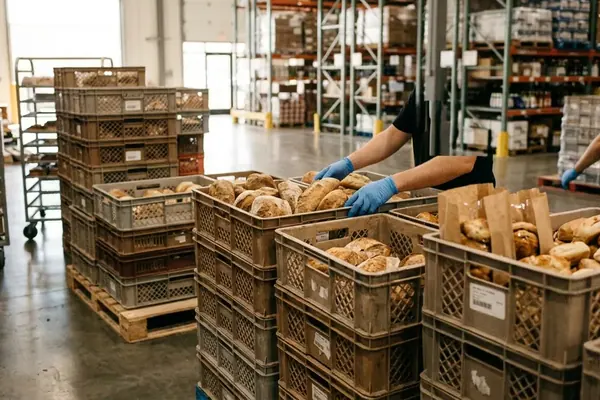
Product identity is preserved by treating the farm lot, rather than the commodity name, as the controlling inventory unit. At receiving, staff connect the grower, pack or harvest date, case count, condition, and storage location to a pallet identifier. That identifier follows every internal move, pick, and outbound invoice. This data architecture allows a buyer to distinguish two farms' spinach even when both products sit on the same delivery truck.
A usable lot record contains at least the farm name, farm location, commodity, pack size, harvest or pack date, receipt timestamp, received quantity, storage zone, pallet identifier, and destination invoice. The South Bronx farm-lot-to-pallet-to-buyer breakdown demonstrates how rigorous data entry at the receiving dock translates into transparent procurement for the end user. Institutional buyers require this strict origin documentation to satisfy their own internal sustainability mandates and compliance audits.
Physical separation in the cold chain is equally critical. Leafy greens are commonly held near 34 to 38 degrees Fahrenheit. Mature tomatoes generally require a warmer zone near 50 to 55 degrees Fahrenheit. Placing both on one undifferentiated cold-room setting risks either accelerated leaf deterioration or tomato chilling injury. The facility manages multiple climate zones to protect product integrity during the holding period.
This model carries inherent limitations regarding operational overhead. Tracking individual pallets and maintaining distinct farm identities requires significantly more labor and software integration compared to traditional, anonymized wholesale distribution. Facility managers must balance the premium value of traceable regional produce against the increased cost of warehouse labor required to execute these granular inventory movements.
Verifying Chain of Custody at the Retail Display
The hub's output translates directly to the consumer experience on the retail floor. Consumer verification should begin with evidence that can be traced rather than with the word local. A credible shelf trail links three elements: the grower's name, a specific municipality or state, and a lot or packing reference. A sign that says only local or Northeast supplies no farm-level chain of custody.
Seasonal fluctuations dictate inventory and require retailers to adapt their merchandising strategies based on the hub's real-time agricultural supply. In the New York region, asparagus usually appears from May into June. Field tomatoes arrive from late July into September or early October. The principal apple harvest runs from August through November, though refrigerated and controlled-atmosphere storage can carry selected apple varieties into the following spring.
Retailers using real regional supply change their displays as harvests move. Early greens yield space to summer field crops, which then transition to autumn storage varieties. This dynamic merchandising reflects the actual output of the regional supply network. Store managers must train their produce teams to update signage and communicate these seasonal shifts to shoppers, reinforcing the value of the traceable supply chain.
Mandating Source-Farm Disclosure in Procurement
Information is lost at each anonymous handoff in a standard distribution network. If a buyer accepts only a commodity description and delivered price, the receiving team cannot verify which regional farm was paid, whether an unannounced substitution occurred, or whether the claimed origin survived repacking. Documented routing data from Max Delivery's 1-hour NYC grocery service supports the same operational baseline: opaque supply chains mask inefficiencies and compromise product integrity.
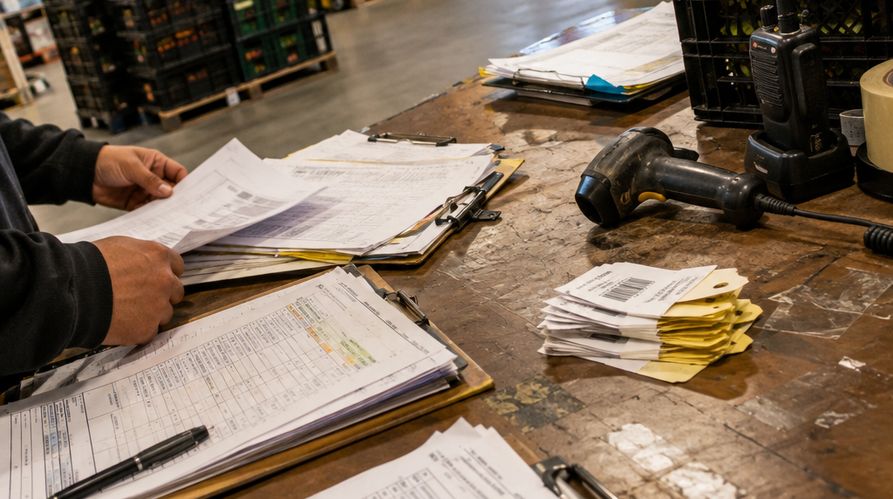
To evaluate different regional food hub operational models, procurement teams must test the data trail. A quarterly trace exercise can select 10 regional SKUs and require staff to move from shelf or kitchen inventory back to the farm lot, receipt timestamp, and inbound shipment record within 4 business hours. A procurement record should reconcile the purchase order, advance shipment notice or dispatch record, receiving log, pallet or case label, and final invoice within one business day of delivery.
Urban buyers, chefs, and retail managers must actively demand transparent, hub-based sourcing models over opaque wholesale routing. Accepting anonymized supply chains undermines regional agriculture and strips mid-sized farms of their market identity. Dedicated infrastructure like the South Bronx hub is essential for long-term food security in metropolitan areas. The industry must treat logistical transparency and source-farm disclosure as baseline requirements for urban food procurement.