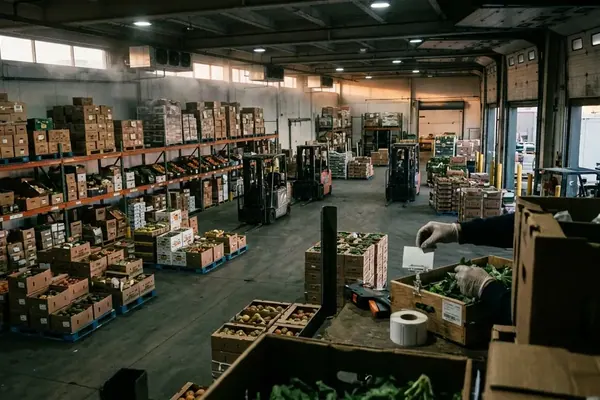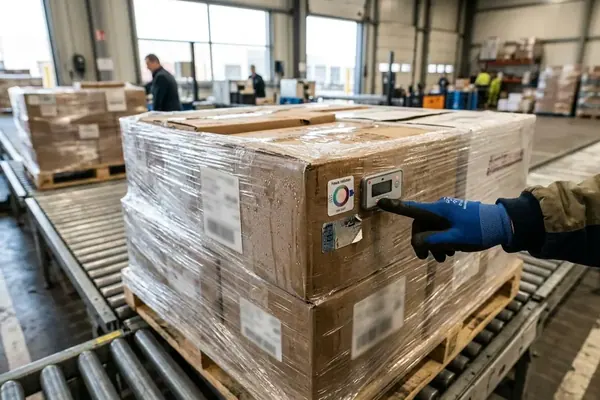
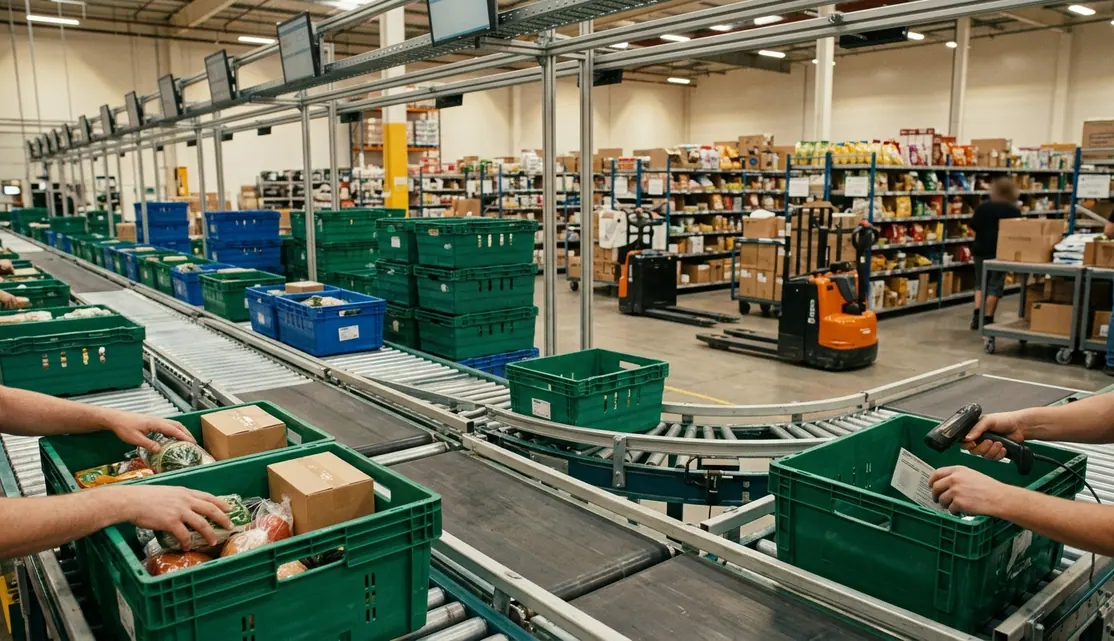

The difference between crisp romaine and wilted greens often comes down to a single algorithm—the batch routing sequence. Urban grocery slots operate as a strict logistics contract rather than a simple customer convenience, dictating exactly how a basket navigates the concrete grid.
What's Inside
- Executive Summary: The Logistics of Your Delivery Window
- The Anatomy of a Delivery Window: How Cutoffs Work
- Batch Routing in Dense Urban Grids
- The Perils of Peak Hour Scheduling
- Strategic Slot Selection for Maximum Freshness
- Your Next Order Strategy
Executive Summary: The Logistics of Your Delivery Window
Urban grocery slots are commonly sold in 1-hour or 2-hour windows. The internal pick-and-stage cycle usually begins 3 to 5 hours before the promised arrival range. A micro-fulfillment or dark-store operation typically freezes route composition 30 to 75 minutes before driver dispatch. This precise timing allows totes to be staged by temperature zone and stop order.
Direct handoff is more likely when the order sits in a narrow same-neighborhood cluster. Otherwise, it waits for a multi-stop batch covering several adjacent blocks or towers. Order cutoffs are strictly tied to warehouse picking sequences, not just driver availability. Understanding these urban batching algorithms allows shoppers to select slots with the lowest risk of delays.
The Anatomy of a Delivery Window: How Cutoffs Work
The time between clicking the checkout button and the official cutoff dictates the picking sequence. For a mid-morning delivery window, the relevant cutoff often falls the prior evening or in the early morning. Same-day urban slots may close 90 to 180 minutes before the window begins.
Orders submitted within the final 20 to 40 minutes before cutoff are more likely to be assigned to the last picker in that wave. Late ordering does not always mean poor produce, but it increases exposure to substitution after earlier pick waves have already pulled the best-condition items. Perishable categories most sensitive to late picking include berries, salad greens, cut fruit, fresh herbs, yogurt multipacks, and specialty milk sizes.
Important: In spread-out metro areas, the cutoff may be governed more by drive-time boundaries and vehicle range than by block-level stop density.Batch Routing in Dense Urban Grids
Algorithms group orders by neighborhood blocks and high-rise elevator buildings to maximize drop density. Dense-grid batching often groups stops within a 6-to-14-block delivery pocket or around several high-rise buildings sharing similar curb access patterns. While routing algorithms optimize for distance, this methodology assumes standard curb access, which rarely reflects reality in dense metros.
Truck or van loading is commonly arranged in reverse-stop order. Your delivery time depends entirely on your physical position in the consolidated route. Frozen and chilled totes are kept in separate insulated compartments or soft-sided cold bags during transfer. Cold-chain integrity is maintained through this insulated zoning within the truck, but longer batch routes still expose produce to ambient temperature fluctuations.
A dense grid improves stop consolidation, but it also increases curb competition; the same route logic that helps in compact neighborhoods can backfire near hospitals, schools, or transit-heavy corridors. A single building with a freight elevator reservation, package-room queue, or doorman check-in can add 8 to 18 minutes before the courier reaches the customer's floor. Hand-truck transfers expose chilled produce to hallway, loading dock, and lobby air for short intervals, often 3 to 9 minutes per building when access is smooth and longer when elevators are congested.
The Perils of Peak Hour Scheduling
Selecting a late afternoon window coincides with peak urban traffic gridlock and fleet shift changes. The riskiest weekday urban window is typically the 4:30-7:30 p.m. band, when fleet handoffs, curb competition, school pickups, and commuter traffic overlap.
Dwell times skyrocket during rush hour. Parking search time that runs 2 to 6 minutes in a mid-morning curb lane can stretch to 10 to 22 minutes near office corridors, transit hubs, or avenue-side towers during evening congestion. Where research on last-mile urban freight and dwell times measures street-level friction, the data confirms this severe spike in parking delays.
Frozen items become more vulnerable during repeated door-open events, especially when a route includes several walk-ups or buildings without a dedicated receiving area. Perishables most likely to suffer from peak-hour compression are soft berries, leafy greens, eggs placed under heavier pantry goods, and bakery items packed into mixed-temperature totes.
Bottom Line: Avoid scheduling deliveries during major transit bottlenecks to reduce the risk of melted frozen goods and crushed perishables.Strategic Slot Selection for Maximum Freshness
Target mid-morning delivery windows to align with overnight grocery restocking schedules. A practical target window is 9:30-11:30 a.m. on Tuesday or Wednesday, after early traffic has eased but before lunch-hour building congestion begins. Choosing a slot immediately following the morning rush ensures higher inventory availability and fresher produce selection.
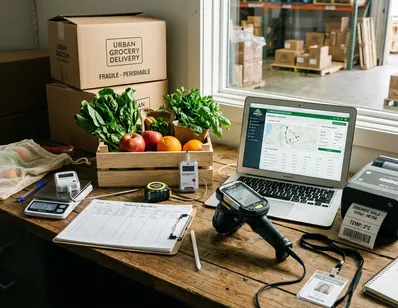
Finalizing the cart 2 to 4 hours before the visible cutoff gives the order a better chance of entering an earlier pick wave instead of the trailing edge of the slot. Monitor weather patterns closely. If heavy rain is forecast within the next 12 to 24 hours, ordering before the storm window reduces exposure to surge batching, wet loading docks, and delayed hand-truck movement.
Freshness-sensitive baskets should place delicate produce, eggs, seafood, and bakery items in the smallest possible order size so they are less likely to be compressed under bulk pantry goods. Keep in mind that a 10:00 a.m. slot can still arrive late if the route includes a tower with freight-elevator restrictions or a loading dock shared with parcel carriers.
Your Next Order Strategy
Check the service's cutoff language before adding final perishables. Some platforms show a slot as available even when edits close 60 to 120 minutes before dispatch. If the building requires elevator booking, front-desk clearance, or a package-room code, enter those instructions before checkout rather than relying on driver chat during the route.
Field Note: Close the cart at least 2 hours before the stated cutoff, and 3 hours ahead when the basket includes seafood, berries, fresh herbs, or specialty dairy.Fast Urban Grocery Slot Checklist
- Choose Tuesday or Wednesday before selecting a weekend or Monday slot.
- Target a 9:30-11:30 a.m. delivery window when available.
- Finalize the basket 2 to 4 hours before the posted cutoff.
- Avoid 4:30-7:30 p.m. if the order contains frozen goods or delicate produce.
Audit the cutoff time for your preferred grocery service today. Open your app, locate the exact minute your cart locks for a Tuesday morning delivery, and set a calendar reminder to finalize your basket three hours prior.