
In the high-density ecosystem of Manhattan and the outer boroughs, the retail price of a grocery basket is shaped long before the store doors open. Failing to align your shopping habits with regional supply chains means paying premium markups for degraded quality.
The Cost of Ignoring NYC's Grocery Supply Chain
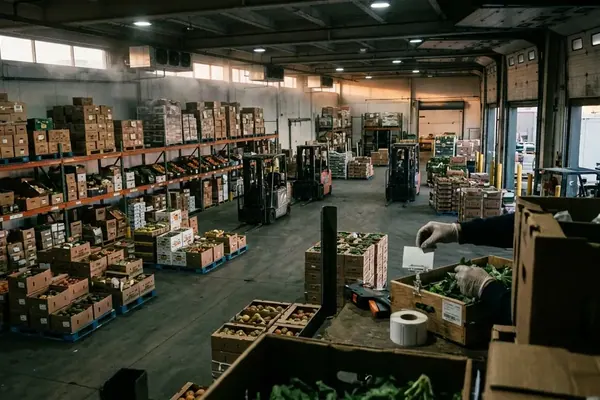
Most grocery volume entering the city passes through a constrained network of bridges, tunnels, and curbside delivery systems. For many produce items sold in New York, overnight receiving, early-morning shelf stocking, and same-day sell-through pressure are strongest between 4:00 a.m. and 11:00 a.m. in dense neighborhoods with small back rooms.
Winter produce coming from outside the Northeast carries an added handling burden of roughly two to five days compared with regional summer produce. It moves through longer cold-chain routes, distributor consolidation, and strict borough-level unloading windows. Shoppers feel these seasonal swings sharply when a store has limited storage. A small urban market replenishes inventory several times per week rather than holding deep stock in the back. Wholesale movement appears at the shelf within about 3 to 7 operating days.
Bottom Line:- Treat groceries like a rolling commodities basket, buying fragile local items when regional supply is abundant.
- Shift toward storage crops, frozen goods, and shelf-stable proteins when freight-heavy fresh items become inefficient.
- Recognize that shelf prices reflect local receiving capacity and the cost of missed delivery windows, not just national freight averages.
Why Transport Constraints Dictate Produce Prices
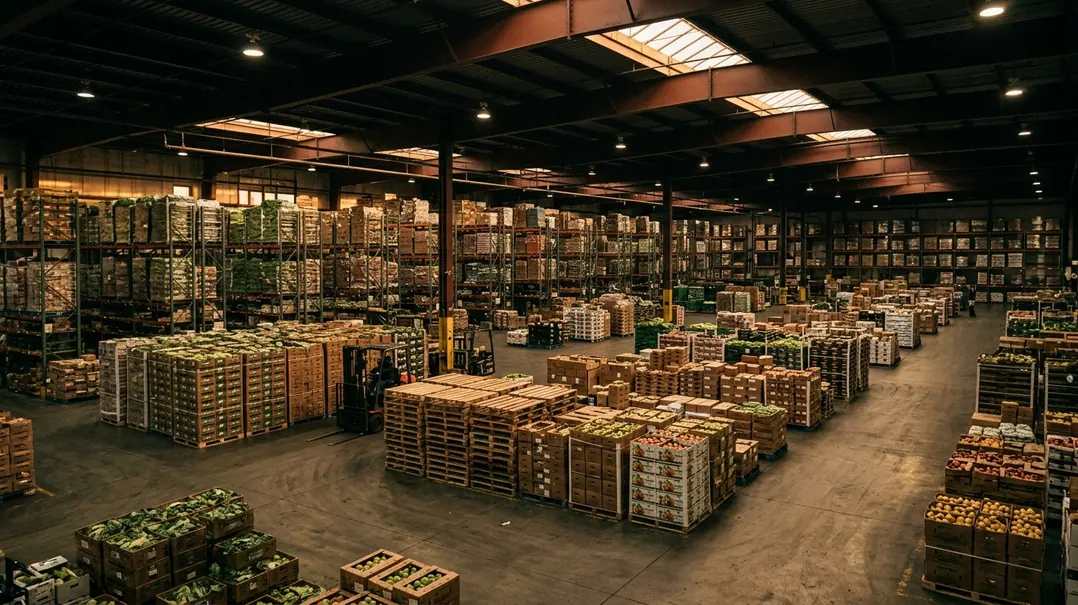
Off-peak berries entering the city in winter travel through a complex chain. The journey includes field cooling, refrigerated line-haul, wholesale unloading, borough distribution, and store-level repacking. Each extra handoff increases the chance of condensation, bruising, or shelf-life loss.
Important: Out-of-season produce not only costs more but carries a higher risk of spoilage due to extended transit times.Leafy greens are highly sensitive after temperature breaks. A short unrefrigerated transfer during unloading often manifests later as edge wilt, sliminess, or shortened usable life within a day or two after purchase. A shopper who buys discounted strawberries in January frequently loses money if the berries soften within a day and a half, as the shelf price alone fails to capture the spoilage risk.

Truck routing into Manhattan and dense Brooklyn relies on more than simple mileage. Carriers account for legal truck routes, bridge and tunnel access, curb availability, and building delivery hours. Commercial trucks cannot use parkways, forcing them onto congested arterial roads.
Heavy produce such as citrus is affected by case weight and cube space. A store receiving multiple produce cases of roughly 35 to 45 pounds pays for line-haul freight, unloading labor, basement handling, and shorter curb dwell tolerance. While national freight indices suggest lower refrigerated transport costs broadly, specific NYC neighborhoods still see high produce prices because delivery windows and handling labor dominate the final leg.
Decoding Dairy and Egg Market Fluctuations
Dairy and eggs follow production and demand cycles rather than simple harvest windows. Egg pricing moves quickly at wholesale because retail cartons depend on flock productivity, feed cost, grading, packing, and refrigerated distribution. A store may not reprice immediately if it holds older inventory or maintains a standing promotional commitment.
Milk and yogurt from regional processors reach the city through shorter refrigerated routes than national supply lines. The final shelf price still reflects bottling, cold storage, delivery frequency, and the cost of placing heavy refrigerated cases in small-format stores.
Where the USDA terminal market reports track entry points, wholesale signals emerge. These figures reflect wholesale entry points rather than immediate retail shelf predictions. Shelf response often lags by several store ordering cycles.
Holiday baking demand overrides normal supply-side patterns from roughly the week before major fall baking periods through the final pre-holiday shopping days. Eggs, butter, cream cheese, flour, and sugar compete for promotional space and refrigerated capacity during this window. For household planning, check eggs and dairy on a 7-to-10-day rhythm. This matches typical home consumption better than daily price chasing and provides enough time to use discounted cartons before quality declines.
Strategic Buying: How to Time Promotional Cycles
Urban supermarkets manage traffic by using a few visible discounts to pull shoppers into the store, recovering margin through convenience purchases and prepared foods. Many urban grocery promotions turn over midweek, commonly between Tuesday and Thursday. Weekend endcap displays are often staged by Friday afternoon for peak foot traffic.
Field Note: Track the specific days of the week when major NYC grocery chains rotate their loss leaders and promotional stock.Loss leaders are most effective when they serve as meal anchors. Eggs, milk, yogurt, pasta, rice, canned tomatoes, chicken parts, frozen vegetables, citrus bags, or oats support multiple meals without requiring fragile companion items.
End-of-month clearing is highly reliable for non-perishables. Look for shelf-stable markdowns during the final 4 to 6 selling days of the month, focusing on bulky pantry items, discontinued package sizes, or seasonal flavors.
A practical substitution ladder for winter requires discipline. Replace fresh berries with frozen berries for oatmeal or yogurt. Swap tender salad greens for cabbage or kale. Substitute fresh tomatoes with canned tomatoes, and replace out-of-season stone fruit with citrus, apples, or roasted root vegetables.
Step-by-Step: Executing a Winter Grocery Run
This January case study outlines a realistic two-stop trip designed to bypass seasonal markups and minimize transit damage. The execution window targets a weekday run between 8:30 a.m. and 10:30 a.m., arriving after produce has been stocked but before evening commuter congestion and after-work checkout lines build.
Step 1: The Pantry Audit

Count meals for the next 5 to 6 days before leaving the apartment. Mark summer-pattern items for immediate substitution. Fresh berries become frozen berries. A planned fresh tomato salad becomes canned-tomato soup or roasted carrots. Delicate greens are swapped for cabbage, kale, or frozen spinach.
Step 2: The Produce-Focused Shop
Visit a local greengrocer first. Buy 3 to 5 pounds of root vegetables, 1 bag of citrus, and 1 bunch or head of sturdy greens. Purchase only 1 fragile fresh item, and only if it will be eaten within 24 hours.
Step 3: The Supermarket Sweep
Move to a larger supermarket to check dairy and egg promotions. Inspect expiration dates carefully before buying discounted cartons. For eggs, open the carton and check for cracked shells before leaving the refrigerated case.
Step 4: Transit Execution
Pack the bags to protect the most vulnerable items. Place eggs and berries on top, and keep leafy greens away from warm prepared foods. If walking more than 10 to 15 minutes back home, buy heavy staples—milk, flour, potatoes, citrus, or canned goods—at the final stop to reduce transit fatigue and prevent fragile produce from getting crushed.
Run the numbers on a single January basket: a January greengrocer stop yields five pounds of carrots, a bag of navel oranges, and a head of cabbage, plus one clamshell of raspberries earmarked for that night's dessert. The supermarket sweep adds a discounted dozen eggs, a half-gallon of milk, and two cans of tomatoes staged as the Tuesday loss leader. The raspberries get eaten before they soften; the cabbage and roots carry three dinners through the week; and the heavy milk and cans ride in the final bag for the walk home. Nothing wilts in a back room, and no premium is paid for berries trucked in from three time zones away.