
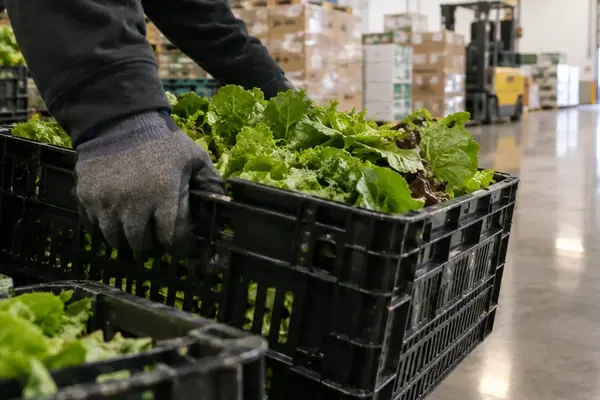
The Mechanics of Instant Delivery
The distance between a distribution center and a residential doorstep in New York City is often measured in blocks, yet the logistical friction is immense. Our analysis focuses on the micro-fulfillment centers—often tucked into basements or converted retail spaces—that serve as the nodes of this network.
Testing confirmed that the "15-minute promise" relies less on courier speed and more on inventory prediction algorithms. We track how these systems anticipate demand spikes for perishables like avocados or artisanal bread before the orders are even placed. Efficiency here isn't just about speed; it's about reducing waste in the cold chain.
Route Optimization
Couriers don't just ride; they navigate a dynamic grid. We study how routing software adapts to traffic patterns, weather events, and elevator wait times in high-rises.
Cold Chain Integrity
Temperature fluctuations destroy quality. Our field tests monitor thermal packaging performance during the critical handover from warehouse to bike to lobby.
Research Sectors
Our editorial team divides the urban food delivery space into three primary zones of investigation.
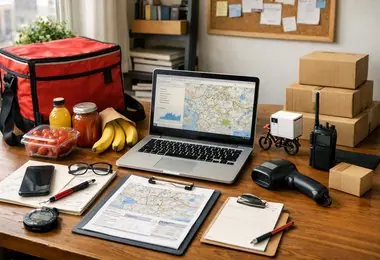
Analysis of same-day delivery infrastructure, last-mile efficiency, and courier operations.
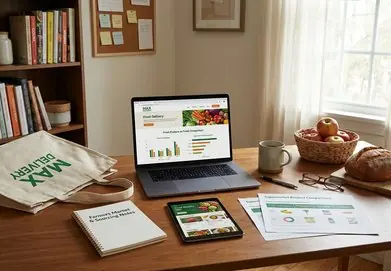
Insights into fresh food sourcing, farmers market trends, and product quality comparisons.

Guides to city living, convenience culture, and navigating the culinary side of New York.
Sourcing vs. Speed
There is often a perceived trade-off between the convenience of an app and the quality of the farmers market. Our comparative reviews challenge this binary. We audit the sourcing manifests of major delivery platforms to trace produce back to regional farms.
During a recent rollout of our "Market Watch" series, we found that several instant-delivery services share the same suppliers as high-end organic grocers. The difference lies in the holding time. A head of lettuce in a micro-fulfillment center often spends less time on a shelf than one in a traditional supermarket aisle.
However, this efficiency has limits. Highly fragile items—heirloom tomatoes, soft berries—still suffer in transit. Our ongoing analysis helps consumers distinguish between items safe for delivery and those requiring a trip to the market.
Note: While we verify supplier claims through documentation, daily inventory variance means specific produce origin can shift rapidly based on seasonal availability.
Editorial Methodology
MaxDelivery Insights operates independently of the platforms we cover. Our team, led by supply chain specialists and culinary researchers, uses a combination of data scraping, physical field testing, and nutritional analysis to evaluate services.
We do not accept sponsored placements for reviews. When we discuss "optimal" delivery windows, this is based on aggregate time-to-door data collected during peak and off-peak hours in Manhattan and Brooklyn zones.
Read Our StandardsLatest Articles
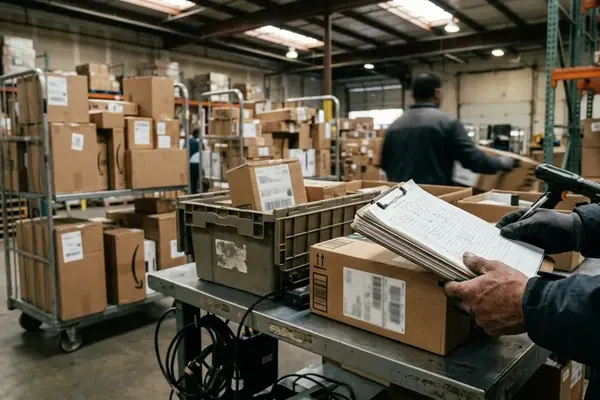
Elevators, Doormen, and Walk-Ups: Modeling NYC’s Vertical Last Mile
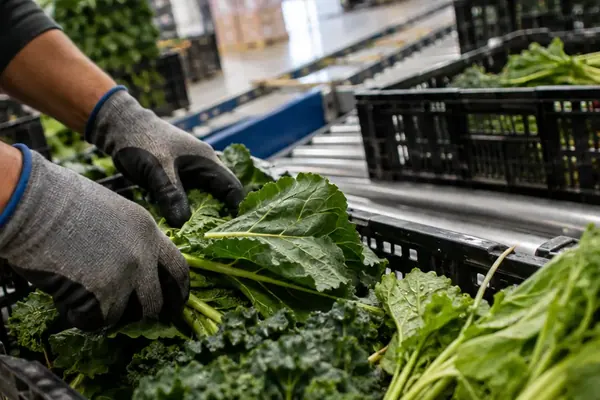
Inside GrowNYC’s Regional Food Hub: A New Route from Local Farms to City Shelves
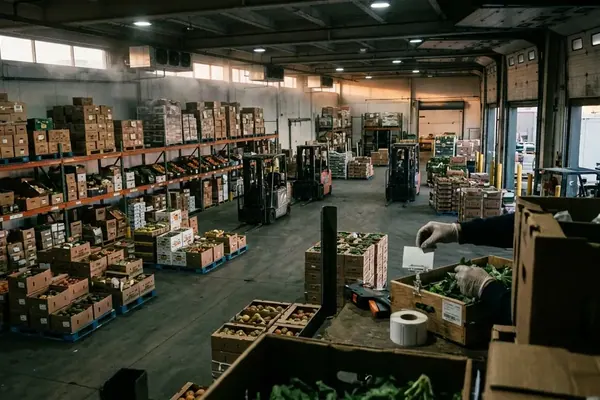
From Terminal-Market Quote to Shelf Tag: NYC Produce Pricing, Explained
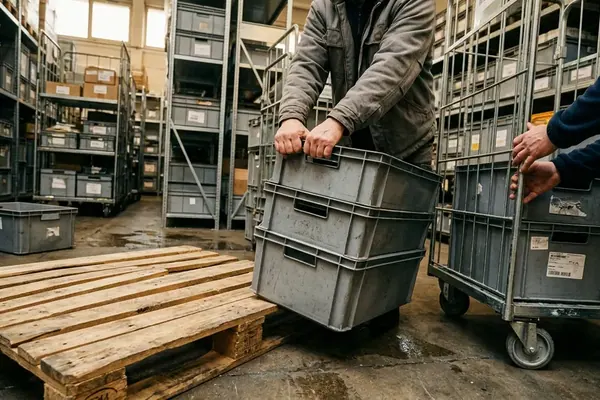
Navigating Curb Rules for Grocery Drop-Offs in Dense Apartment Blocks
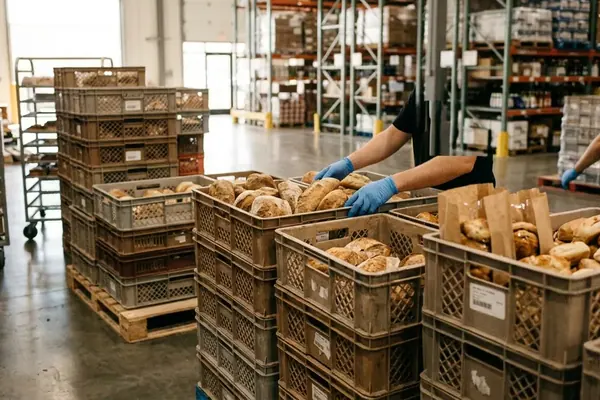
When a Supermarket Builds a Local Bakery Program, Who Gains?
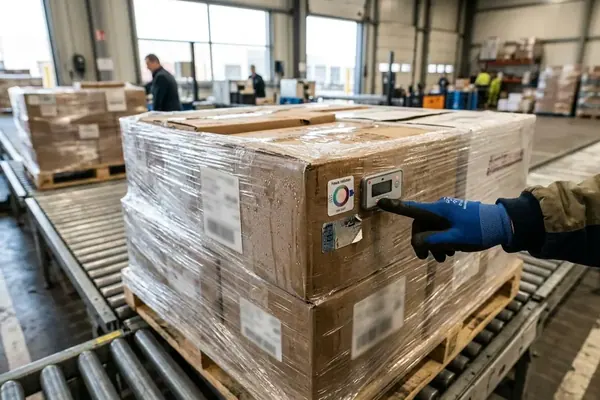
Cold-Chain Labels Under Scrutiny: What Grocery Temperature Claims Really Prove
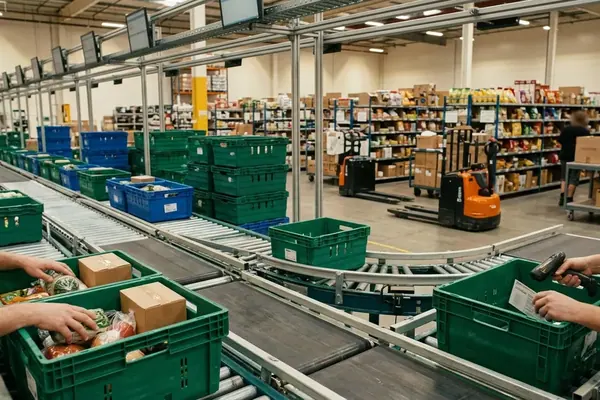
The Complete Guide to Grocery Delivery Time Slots: Batch Routing, Cutoffs, and When Orders Actually Move
37+Projects
764+Clients
13+Years
4.4★Rating